
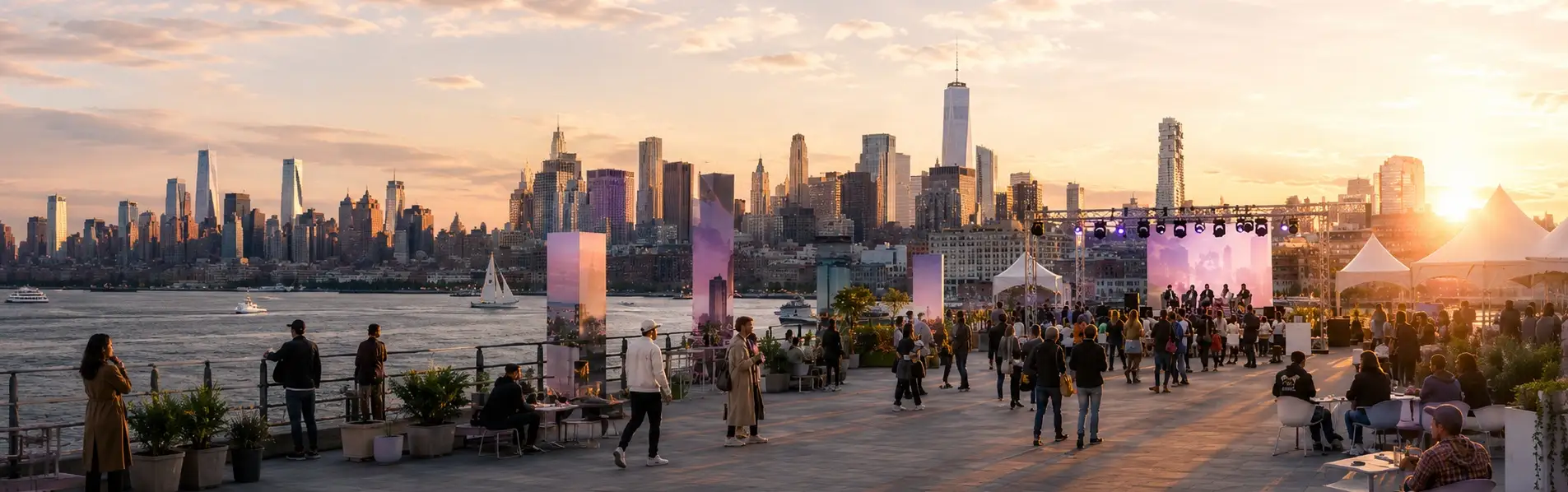
Pop culture conventions are among the very biggest events in the world for dedicated fans of comics, media, movies, and gaming. These events commonly transcend genres, bringing anime fans together with comic book lovers and putting them in the same spaces, with all kinds of activities, exclusive merchandise, and potential meet and greets with celebrities. The appeal of these conventions is global, and for anyone from the curious bystander to the ardent fan who has all the merch, has been to consecutive events, and splashed out on a DIY cosplay, there is really something for everyone at the biggest conventions.
That is something that we, here at New York Super Week, want to explore in more depth. We want to observe those minute aspects that bring the conventions to life, maintain their popularity over generations of fans, and reach practically every corner of the globe. This is very much a rapidly rising entertainment business that gets better with every passing year. There are no real outsiders as conventions, only the uninitiated. For these events have something for everyone, and are designed to bring fans from all different genres together in a celebration of pop culture and fandom. Anyone interested in how conventions work, where to find the best conventions, or simply just wants to know what all the fuss is about, you are at the right place.
Comic Conventions
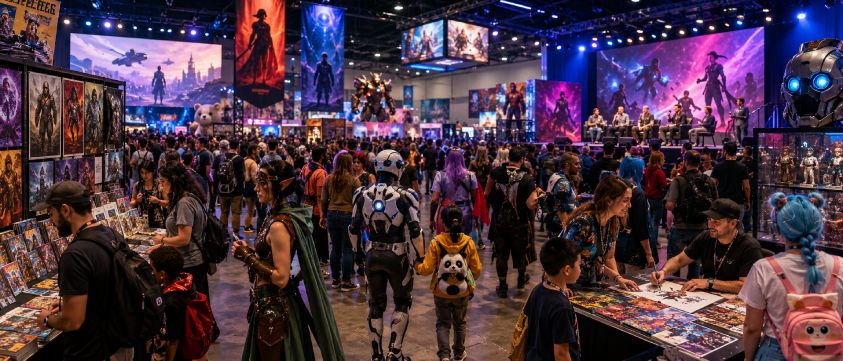
Outsiders most commonly associate these types of conventions with comics. It is a natural assumption to make, the first conventions were pretty much gatherings for comic book afficionados, where they could discuss and potentially exchange these most valued possessions. But these conventions have evolved far beyond impromptu and niche comic fan get togethers. The biggest comic conventions can host tens of thousands of visitors, last for days, and create an entire ecosystem for the fans to immerse themselves in. These ecosystems don’t just comprise comics, but span countless other aspects of popular culture including film, television, gaming, and animation.
Comic conventions have also become a primary gathering place for important business platforms. For where there is a demand, there is going to be a supply of retail merch, activities, guest appearances, and facilities for fans to explore. Spaces can be made for discussion, but there can also be activities to bring fans closer to the lore and potentially the creators of the characters.
The Continued Growth of Comic Culture
The success of superhero films and streaming adaptations has introduced comic related fandoms to entirely new audiences. These have not passed by comic conventions, but have very much rooted themselves into the already existing infrastructure and taken it further. The increased visibility, with A-list Hollywood stars, major blockbuster films and the marketing that comes with that space, have bolstered comic conventions considerably. They have also brought new generations of fans to the comic conventions, fans who want to learn more about the original material, feel closer to the lore, and bring something fresh and exciting to the fandom.
As a result, comic conventions continue to evolve and diversify. Modern events often combine traditional comic culture with wider entertainment programming that appeals to multiple generations of fans. Incorporating current trends and tastes helps keep the conventions relevant. Part of this is keeping fans in anticipation of the event. With fresh injections of new types of activities, engaging experiences, and now digital entertainment forms, the conventions can cater to a larger and more diverse audience.
Fan Expos
Paying visitors are also encouraged to be proactive and engage in fan driven events, be it cosplay contests or open Q&As with panels of the people behind the comics. Naturally, there will also be a retail angle with kiosks providing rare, mint condition collectibles, toys, gadgets, clothing, and of course, comic books. But the idea is to give fans the same level of creativity and freedom at the conventions as they had when conventions were not as polished as they are today. This adds a fun factor like no other, as dedicated fans can volunteer to organize mini events or add new ideas to the program.
The larger conventions can also give them valuable floor space, or even designated zones for fan expos. These are typically filled with indie vendors, fan art, interactive displays, and sponsors who want to get in on the action. Combined with live programming and guest appearances, these events offer a comprehensive entertainment experience that extends far beyond traditional exhibitions.
Creating Something for Every Fan
One of the constructs around conventions is that they are really just for the diehard fans, or people who know the lore back to front and will spend thousands of dollars to buy up every bit of merch. Bigger conventions are anything but this. They have entertainment for all, focusing on the families, casual fans, industry professionals, and even the first timers who want to get a taste of what all the hype is about. There are activities for everyone to get involved in, be it interactive activities, or simply soaking up the atmosphere and browsing through the merch.
Fan run expos or activities help bolster this, and the convention community is a highly open minded one. They are welcoming of newcomers, excited to share their stories and help first timers find their way around the spectacle of the convention.
Entertainment Events
The line between conventions and entertainment events has become increasingly blurred. What used to be niche events for passionate fans has evolved into something of a major festival for all to get involved in. Many modern gatherings incorporate concerts, stage performances, screenings, esports competitions, award ceremonies, and immersive attractions alongside traditional convention programming. This shift in the tide for conventions reflects changing audience expectations and the growing demand for live experiences.
Entertainment events provide opportunities for fans to engage with their favorite properties in ways that cannot be replicated through digital media. Whether attending a live performance or participating in an interactive experience, attendees often seek memorable moments that justify traveling to the event. They can also meet like minded peers, snap up rare collectibles, and make memories for life.
The Demand for Live Experiences
Digital content is definitely on the up and up, for its added convenience and accessibility. But nothing can beat real life interactions and in person experiences. Fans want every opportunity to participate directly over simply consuming content from a distance. This is an area that conventions excel in, as they are all about bringing fans together.
The demand has also given organizers the platform to connect fans to the people behind the lore. They can bring in larger productions, more ambitious attractions, and get these personalities to appear in front of live audiences. These live performances can definitely be streamed and enjoyed by users at home, which helps for marketing purposes. But there is still a massive onus on fans to get involved and experience the action for themselves. The result is an event landscape that increasingly resembles major entertainment festivals rather than traditional conventions.
Creator Appearances
Which takes us to creator appearances. Creators remain one of the primary reasons many fans attend conventions. Writers, artists, actors, directors, voice performers, developers, and other industry figures offer attendees unique opportunities to learn about the creative process and engage directly with the people behind their favorite projects.
For general fans, this is a chance to get up and close with the people responsible for bringing these comics, films, or books to life. A big part of attending the convention is the idea that a fan can bump into some of these people, perhaps snapping a selfie, getting a signature on a piece of memorabilia, or even slipping in a question to the person.
Panels, autograph sessions, meet and greets, and audience Q&A events are all designed to build stronger connections with creators. These appearances also provide conventions with valuable programming that can help drive attendance and media attention.
The Value of Direct Fan Interaction
For many attendees, meeting a favorite creator can be the highlight of an entire convention. These are the highlights that they will cherish and talk about long after the convention ends. They will have some time with an influential person in the franchise or the fandom, something that feels exciting, rewarding, and reinforces their love of the lore.
But from a creators’ viewpoint, these interactions can be vitally important to understanding how their work is appreciated. They get direct feedback or input from fans. Conventions have definitely been used as platforms for creators to tease or release newer works, and with a highly dedicated and loyal fanbase in front of them, creators are getting the best feedback they can ask for. This mutual connection remains one of the most significant aspects and key attractions of conventions.
Live Programming
Programming these conventions is an art form in itself. There is a balance, made between what works and what fans have come to expect at the conventions, and this is balanced against newer, creative ideas, and experimental exhibitions or activities. Conventions are built up of many different programs, including panels, workshops, demonstrations, screenings, tournaments, competitions, and performances. These provide structure to the attendee experience while ensuring there is always something happening throughout the event.
Successful programming pivots on careful planning and scheduling. Organizers must balance guest availability, audience demand, venue capacity, and technical requirements while creating a schedule that appeals to all who come. There are definitely expectations that must be met, but then there is also an expectation for an element of intrigue. Whether it is teasing a new release, providing a very new type of display, or inviting a surprise guest, these elements keep the convention fresh.
For larger conventions, programming may run continuously from the moment the doors open until late in the evening. Organizers often use attendee feedback from previous years to determine which activities should be expanded, modified, or replaced. A strong live programming schedule can become one of the defining features that encourages fans to return year after year.
Balancing Variety and Accessibility
The strongest convention schedules offer a mixture of major headline attractions and smaller community focused activities. This balance helps ensure attendees remain engaged regardless of their specific interests. Well designed programming also helps distribute crowds more effectively throughout the venue. By spreading attractions across multiple stages and rooms, organizers can improve both attendee satisfaction and operational efficiency.
Accessibility is equally important when designing a schedule. Because there may be thousands of people inside the venue at a time, and the majority are most likely going to head straight to the main attraction. Therefore, events should be easy to locate, clearly communicated, and available to attendees with different interests, ages, and levels of familiarity with the fandom. The goal is to create an environment where every visitor feels there is something worthwhile for them to experience. Even between headline events or the key attractions they came to see, there are people to meet, things to do, and experiences to be had.
Social Media Personalities
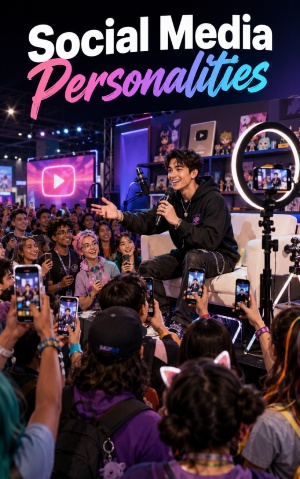
This is a much newer phenomenon at conventions. Social media creators have become increasingly important figures within the frame of digital entertainment, and their impact has not gone unnoticed by convention organizers. Influencers, streamers, podcasters, YouTubers, and digital entertainers often attract highly engaged audiences that are eager to attend live events and participate in community activities. Their involvement reflects broader changes within the entertainment industry, where digital creators now command audiences comparable to traditional celebrities.
Many conventions have responded by creating dedicated programming specifically designed around creator communities and online fandoms. These personalities resonate strongly with younger attendees in particular, they can be every bit as influential as actors, musicians, or television stars. Their ability to communicate directly with audiences creates a stronger sense of familiarity and connection. This has made creator focused events one of the fastest growing areas of convention programming.
The Rise of Digital Entertainment Communities
Unlike traditional media personalities, social media creators often interact with their audiences on a daily basis. This frequent engagement is marketing that can work heavily in favor of the convention organizers. For these digital creators can make continuous content for their followers, building up hype, creating more anticipation, and drawing in more crowds into the world of conventions. As creator driven entertainment continues to grow, conventions are likely to dedicate even more resources to influencer programming.
Many of these communities continue their discussions long after the convention has ended through livestreams, Discord servers, social media groups, and online forums. This creates ongoing engagement that benefits both creators and event organizers. In many cases, digital communities can become a powerful marketing tool for future conventions and appearances. They ensure that the conventions remain in the forefront of the entertainment scene, so fans can look forward to these just as they can summer music festivals or major sports events.
Large Scale Event Organization
Behind every successful convention is a significant amount of planning and coordination. Venue selection, staffing, security, ticketing, exhibitor management, marketing, guest relations, and technical operations all require months of preparation, and these cannot be achieved without massive dedicated teams who work to ensure the events run smoothly. As events grow larger, these responsibilities become increasingly complex. The largest conventions operate much like major businesses, managing substantial budgets and coordinating numerous stakeholders.
Organizers must balance attendee expectations with operational realities while ensuring every aspect of the event runs smoothly. Effective planning is often the difference between a memorable experience and a logistical failure. Contingency planning is another critical component of event organization. Organizers must prepare for everything from guest cancellations and technical failures to transportation issues and unexpected surges in attendance. The ability to respond quickly to challenges often determines how successful an event is perceived to be by attendees. Longstanding and historic conventions can use their cultural significance to bring in scores of fans, but it only takes one failure to endanger their reputation. The organizers must ensure that the events live up to expectations, that they get strong positive feedback, and attendees are willing to return for the next big event.
The Business Behind the Experience
Most attendees only see the finished product, but every convention is supported by an extensive organizational structure working behind the scenes. Teams are responsible for everything from ticket sales and venue layouts to sponsorship agreements and emergency planning.
Understanding these operational challenges provides a greater appreciation for the scale of modern fan events. As conventions continue to grow, professional event management has become just as important as the entertainment itself.
Financial management is equally important, as organizers must balance expenses against multiple revenue streams throughout the planning process. Long term success often depends on maintaining strong relationships with sponsors, venues, exhibitors, and attendees alike. The most successful conventions are those that can consistently deliver a high quality fan experience while remaining commercially sustainable.