
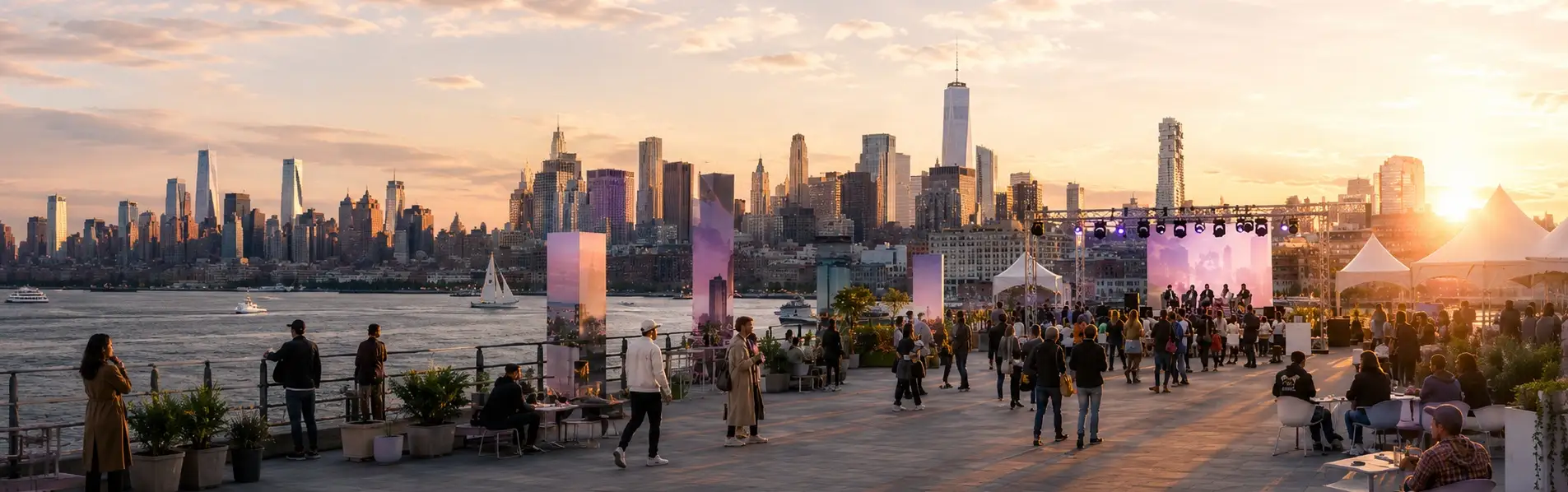
The largest conventions in the world are a spectacle to the eyes. Multi day events where fans can make their dreams come true, meeting the creators and actors who bring their favorite shows, comics or films to life, and meet thousands of like minded fans who have all come together to celebrate. The work and effort it takes to create all these for the highly anticipating visitors cannot be understated here. The logistics, budget creation, venue staging, and exhibition curating must be planned well in advance to ensure the entire convention runs smoothly.
Then, there are the mundane practicalities of throwing such an event. Staffing and ticket structures are essential to organizing this experience for the fans and making sure the convention runners can sustain their business. Marketing is also a crucial aspect to launching a convention. Without it, organizers run the risk of losing revenue from unrealized ticket sales, or not enough recognition to sway the bigger stars to make cameo appearances, which can damage admission sales or the prestige of the convention. After all, these are the nuanced details that make the difference between an impromptu, casual fan organized event, and one that can pull in traveling visitors from all over the world.
Venue Logistics
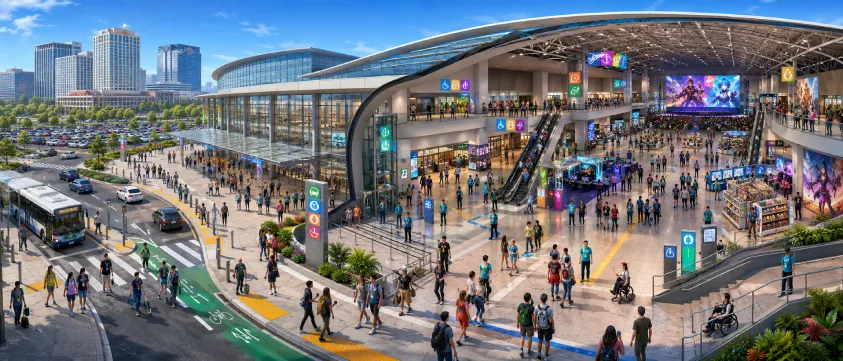
The venue selection is perhaps the least noticeable aspect for a visitor, and if this is the case then the venue was wisely chosen. For the number of meeting rooms, size of the main halls or multi-event conference rooms and building exterior are really the last things a traveling fan would care about. What is moreover important is that the venue fulls accommodates the needs of these fans. So if it is difficult to travel to, has limited parking spaces, does not have a functional layout, or the layouts are confusing and distracting, then the organizers have already failed.
Conditions for Venue Selection
Accessibility is crucial, as many guests will travel on the day of the event. As an extra, having hotels nearby can also help anyone who has traveled from further to reach the convention and wants to stay for multiple days. Then, there is the functionality of the venue. It has to be large and have a layout that can accommodate larger conferences or seminars, retail kiosks, aisles, spaces for gaming or other activities, and any other features that the convention will provide.
These zones must also be designed carefully to ensure they are accessible, clearly visible, and that fans will not end up squashing up against the walls of a room or waiting in endlessly long lines to get what they are after. The venue itself must have the spatial requirements and traffic circulation to accommodate this, but the venue selection is not the only thing that impacts this. It is also something that requires crowd management.
Crowd Management
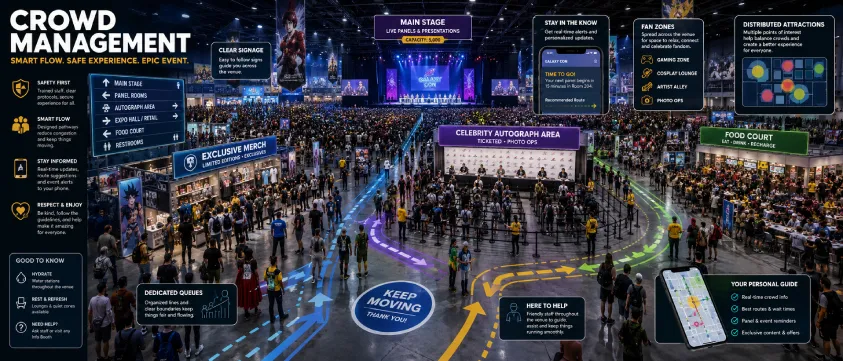
Managing large crowds is one of the most challenging aspects of any successful convention. There is a vision amond the organizers for attendees to move freely between panels, retail spaces, autograph sessions, and food vendors. However, the realities of the situation is a lot more complex. Because there can be thousands of people, if not tens of thousands, who are often attempting to do exactly the same thing at the same time.
Therefore, crowd management is just as much about distributing and organizing fan zones as it is anticipating the movements of the visitors. Naturally, the headline or main attractions will be the first destination for many entering guests, but this must be carefully managed to avoid overcrowding. Overcrowding or clutter that could otherwise damage the quality of the interactions or experiences that fans will have. Without proper planning, bottlenecks can quickly form, creating frustration for visitors and potentially even safety concerns.
Breaking Up the Crowds
Organizers must carefully design the flow of foot traffic throughout the venue. This can involve wider aisles, clearer and visible signage, and perhaps most important of all, dedicated queueing areas. Breaking up the flock and making clear areas where fans can wait to get into the key attractions is crucial to breaking down the larger traffic inflows and helping to keep the environment feeling organized and well planned.
Particular attention must be given to celebrity appearances, exclusive merchandise releases, and headline presentations, as these tend to attract the largest crowds. Modern conventions also increasingly rely on digital signage and mobile notifications to direct attendees and prevent congestion in heavily trafficked areas.
Programming Schedules
Way before the convention starts, the schedule and list of events will be published. This is what fans are after, they can check the main selling points of the convention, the activities and designated events for their particular favorite comics, anime, or movies, and then decide whether its worth buying tickets for. Or even splashing out for a VIP experience, given a strong lineup of celebrity appearances and quality merch or bespoke activities.
The schedules must be clearly relayed to the potential visitors, and outline everything they can come to expect. This often comprises panels, workshops, tournaments, screenings, cosplay competitions, autograph sessions, and live performances all of which must be carefully organized into a timetable that keeps attendees engaged across multiple days.
Assembling the Lineups and Attractions
The scheduling itself is always a balancing act, it has to be well distributed. Organizers generally want to avoid placing two highly anticipated events against one another, as this risks some fans missing out on one event or having to pick between the two. Also, in distribution, the full duration of the event must be used and main events cannot be crammed into one end of the convention. If all the main attractions were hosted on the last day, for example, it would reduce the demand for first and second day tickets, which would hurt the reputation of the convention and its most important revenue stream.
The schedule must have key events every single day, spreading out the main attractions evenly. Also, they have to think about the space they have, ensuring every room is being utilized effectively. Guest availability can further complicate matters, particularly when celebrities or creators have travel commitments elsewhere. The most successful conventions create schedules that offer something for every type of attendee while encouraging visitors to remain on site throughout the duration of the event.
Exhibitor Coordination
Exhibitors are a major component of most entertainment conventions, providing everything from merchandise and collectibles to exclusive demonstrations and promotional experiences. For many attendees, browsing vendor booths is just as important as attending panels or meeting special guests.
These can include rare merchandise, fan made collectibles, or limited edition memorabilia that cannot realistically be found elsewhere. There is also a demand for convention-related merchandise, such as shirts or collectibles that celebrate that specific edition of the convention. These can serve as an important revenue stream for the convention operators, and a lasting memory or gift for visitors to buy and enjoy.
From Plans to Reality
Coordinating exhibitors can take months of preplanning and assessment. Because it is not just about creating zones and laying out the exhibitors in clean aisles. Behind the simple output, there are aspects to consider such as recruiting vendors, allocating booth locations, managing contracts, processing payments, and communicating setup requirements. During the event itself, exhibitors may require assistance with shipping, storage, electrical connections, internet access, or security concerns.
Some exhibitors may require specialist staging or custom equipment, which can add logistics such as transportation, assembly, insurance, and running costs. A well organized exhibitor floor creates an engaging environment for attendees while also helping vendors generate strong returns on their investment, encouraging them to return for future events.
Staffing
Even the most detailed event plan is only as effective as the people responsible for implementing it. Large conventions require significant staffing resources, ranging from registration workers and customer service representatives to technical support crews, security personnel, and volunteer coordinators. Staff must be carefully selected to fill the roles they are assigned to. This is an area that can run large costs, but this is necessary to maintaining a safe, smooth running, and good all round experience for the paying visitors.
Training, Experience and Foresight Needed
Each and every member of staff must understand their responsibilities before the event begins. Training sessions are often conducted in advance to familiarize workers with venue layouts, emergency procedures, guest management protocols, and communication systems. During the convention itself, staff act as the first point of contact for attendees needing assistance, making them critical to maintaining a positive visitor experience.
A knowledgeable and approachable team can often resolve minor issues before they become major problems. The more senior members of the staff must also be experienced enough to foresee and predict any potential friction in the convention, and be able to handle these scenarios. Whether it is keeping the queues fair or ensuring that everyone gets enough time at each activity, this requires constant vigilance and strong people skills.
Ticket Systems
Ticketing is one of the primary revenue drivers for any convention and plays an important role in attendance forecasting. Modern ticket systems go far beyond simply selling admission passes. They help organizers track registrations, monitor attendance trends, control venue capacity, and manage different tiers of access.
All of these aspects are crucial to helping the organizers find out when to put the tickets up for sale, give a point of reference for pricing, and work out how they can conduct their business. Should the ticket sales fall short of expectations or the operators fail to create their required profit margins, it risks putting the future of the convention in danger. Regardless of how successful the convention is or how how well it is received by people who go.
Creating Flexibility and Customization
The tickets are also a lot more fluid nowadays then before. It is not just general on-sale tickets up for grabs. Many conventions offer a range of ticket options, including single day admissions, full event passes, VIP experiences, and premium packages that include meet and greets or exclusive merchandise. If they can build a layered ticket system, where fans can buy add-ons or customize their packages, this can only add more revenue potential.
Digital ticketing systems have streamlined the check in process considerably, reducing wait times and helping organizers gather valuable data regarding attendee behavior. Accurate ticket projections also allow convention planners to make informed decisions regarding staffing levels, venue requirements, and operational budgets. Then, for the highest spenders or far traveling guests, there could be options to expand entry tickets with accommodation and hospitality perks, with convention organizers linking forces with nearby hotels.
Operational Planning for Larger Events
As conventions grow in size, so too does the complexity of their operations. What may begin as a local fan gathering can eventually evolve into a large scale event that attracts visitors from multiple countries. At this stage, operational planning becomes a year round process involving numerous departments and external partners. Budgeting, risk management, insurance coverage, emergency response planning, transportation logistics, vendor contracts, and guest relations all become increasingly important.
Organizers must prepare for countless scenarios, from severe weather and technology failures to celebrity cancellations and unexpected attendance surges. The ability to anticipate and adapt to these challenges often determines whether a convention is remembered for its smooth execution or its organizational shortcomings.
Thinking for Long-Term Impact
Ultimately, the conventions that continue to thrive year after year are those that successfully balance exciting entertainment with meticulous planning behind the scenes. While attendees may only see the finished product, every panel, autograph session, exhibitor booth, and guest appearance is supported by months of preparation. It is this combination of logistics, coordination, and operational expertise that transforms a simple gathering of fans into a world class entertainment convention.
Technology has become increasingly important in managing these large-scale operations. Event management software, communication platforms, and real-time monitoring systems allow organizers to coordinate teams more efficiently and respond rapidly to developing situations. The biggest conventions often begin planning the next year’s event almost immediately after the current one concludes. Post event reviews, attendee feedback, and operational performance data are analyzed to identify improvements and refine future strategies.
Marketing and Audience Growth
Even the most well organized convention cannot succeed without attracting attendees. Marketing campaigns often begin months in advance and utilize social media, influencer partnerships, email newsletters, and industry media coverage to build awareness. As conventions grow, maintaining audience engagement between events becomes increasingly important for sustaining long term growth.
Many organizers now focus on building year-round communities rather than simply promoting a single annual event. Exclusive announcements, behind the scenes content, and regular updates can help maintain interest and encourage repeat attendance. Strong audience growth not only improves ticket sales but can also make conventions more attractive to sponsors, exhibitors, and celebrity guests.
Guest Relations and Talent Management
High profile guests are often one of the biggest attractions at entertainment conventions. Organizers must coordinate travel arrangements, accommodations, security requirements, scheduling commitments, and contractual obligations. Building strong relationships with agents, publishers, studios, and talent representatives can help conventions secure exclusive appearances that differentiate them from competitors.
The guest experience itself is also an important consideration, as positive experiences can encourage talent to return for future events. Dedicated liaison staff are often assigned to assist guests throughout the convention and ensure their schedules run smoothly. For larger conventions, managing dozens of guests simultaneously can become a significant logistical undertaking that requires extensive planning and coordination.
Sponsorship and Revenue Diversification
Ticket sales alone are rarely sufficient to support larger conventions. Sponsorship agreements, exhibitor fees, merchandise sales, advertising opportunities, and premium experiences often form a significant portion of overall revenue. Diversifying income sources helps organizers reduce financial risk while creating additional opportunities to improve the attendee experience.
Sponsors can contribute far more than direct funding, often providing interactive exhibits, exclusive products, competitions, or branded experiences that enhance the event itself. A diverse revenue model also makes conventions less vulnerable to fluctuations in attendance or exhibitor participation from year to year. This financial stability allows organizers to invest in bigger attractions, improved facilities, and long term event growth.